In modern industrial production and scientific research experiments, numerous devices and processes require operation under cryogenic conditions to ensure product quality, enhance reaction efficiency, or guarantee experimental stability. As a critical cryogenic cooling device, the closed-loop cryogenic coolant circulation pump has become indispensable equipment across many industries due to its unique advantages and extensive application scope.
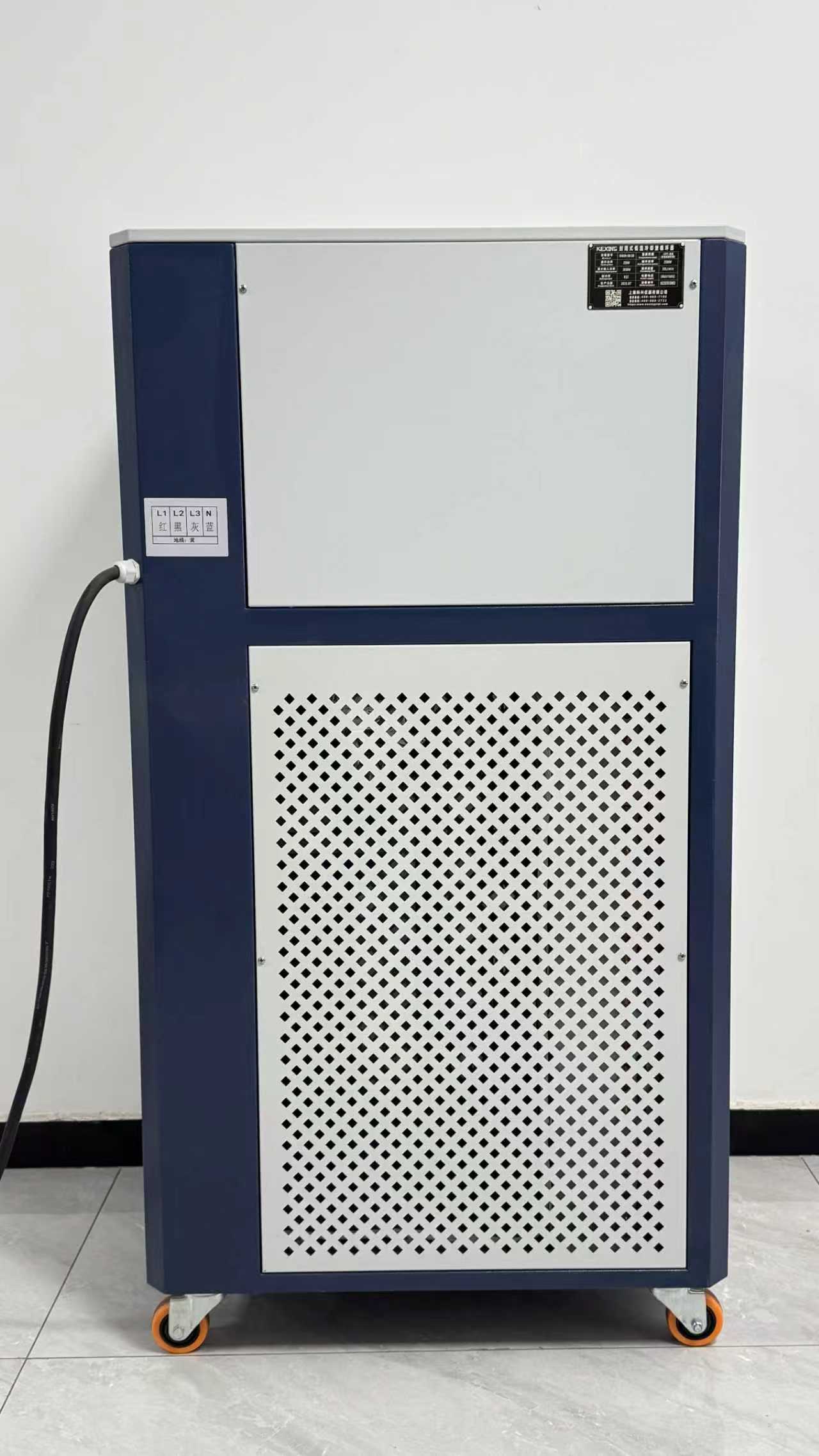
I. Working Principle and Structural Features of Sealed Cryogenic Coolant Circulation Pumps
Sealed cryogenic coolant circulation pumps are mechanical refrigeration-based cryogenic liquid circulation devices. Their core function is to circulate and transport cryogenic coolant through a sealed loop, providing a continuous and stable low-temperature environment for cooled objects.
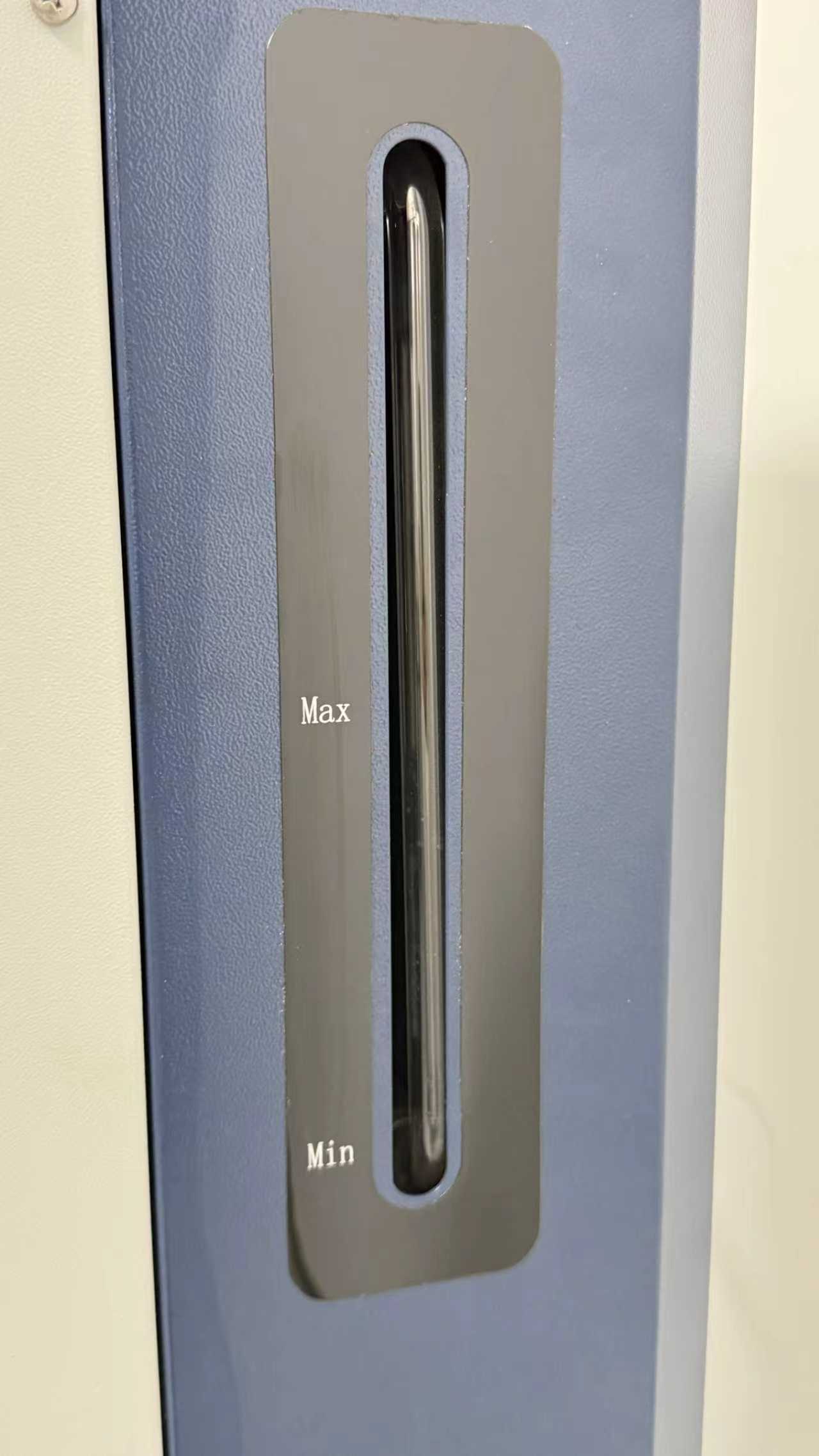
In terms of operating principle, it primarily consists of components such as a motor, pump body, impeller, sealing device, refrigeration system, and circulation piping. The motor drives the pump body through a transmission mechanism, causing the impeller to rotate. This action draws cryogenic coolant from the reservoir and transports it through the circulation piping to the equipment or instruments requiring cooling. After absorbing heat from the equipment or instruments, the coolant temperature rises and flows back to the reservoir. It is then cooled by the refrigeration system before being pumped out again, completing a continuous cycle. This sealed circulation method effectively minimizes coolant evaporation and prevents external contaminants from entering, ensuring the coolant's purity and cooling efficiency.
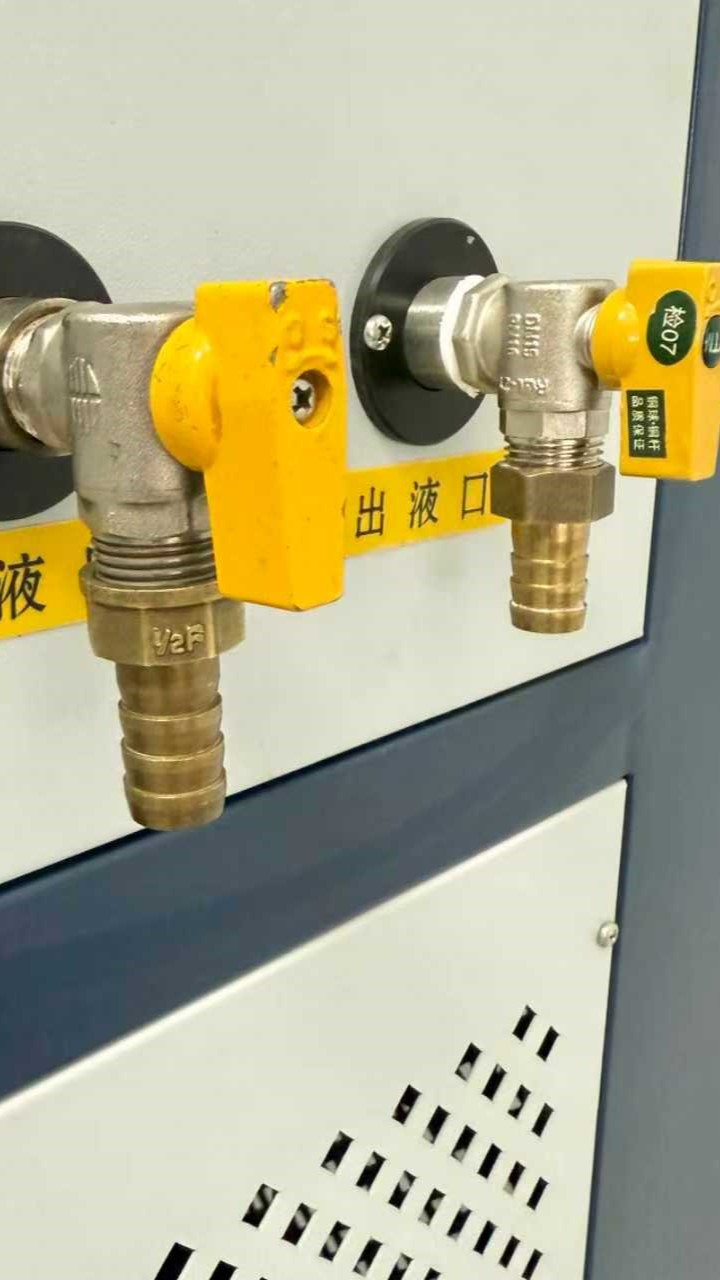
In terms of structural features, the closed-loop low-temperature coolant circulation pump offers numerous advantages. It is constructed from high-density corrosion-resistant materials. Key components such as the circulation pump, cooling coils (nickel-plated copper tubing), plate heat exchanger, and critical interfaces like the outlet and return ports are made of stainless steel (SUS304). This design provides rust and corrosion resistance, minimizes coolant contamination, and enables operation in various complex working conditions and media environments. Simultaneously, its compact design offers multiple configurations—including desktop models and vertical types for limited bench heights—saving space and facilitating installation in diverse settings. Additionally, the equipment incorporates imported high-pressure pumps with extended piping lengths, enabling stable long-distance circulation and cooling.
II. Key Performance Advantages of Sealed Low-Temperature Coolant Circulation Pumps
(I) High Efficiency and Energy Savings
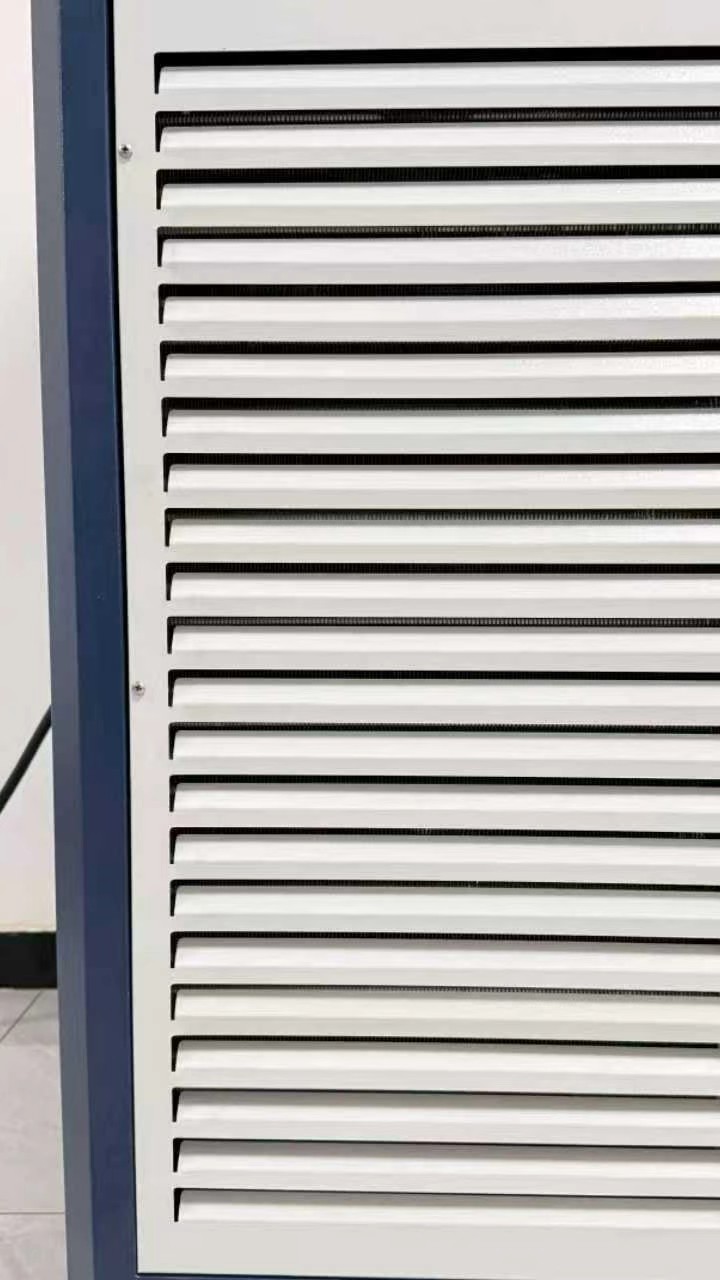
Sealed low-temperature coolant circulation pumps are equipped with imported compressors. For instance, after a chemical plant introduced this low-temperature cooling water circulation pump, its cooling system energy efficiency improved by 20%. This not only reduced operational costs but also aligns with current energy-saving and emission-reduction trends.
(2) Precise Temperature Control
Employing microcomputer control and P.I.D. technology, the equipment achieves high-precision temperature regulation. It minimizes external factors affecting temperature accuracy and reduces measurement errors. Users can freely set the coolant temperature within a wide range from -40°C to -60°C according to actual requirements, meeting the stringent low-temperature environment demands of various equipment and processes. In the biopharmaceutical field, low-temperature coolant circulation pumps provide stable low-temperature conditions for biopharmaceutical reactors, ensuring the purity and safety of drug production. Their precise temperature control offers reliable assurance for drug research and manufacturing.
(3) Stable and Reliable
The sealed low-temperature coolant circulation pump employs original fully enclosed compressor units and circulation pumps from renowned manufacturers, along with imported high-quality relays, protectors, capacitors, and refrigeration components, ensuring advanced performance and reliable quality. The refrigeration system incorporates multiple protective devices, including delay, overheat, and overcurrent protection, effectively preventing equipment failures during operation and ensuring long-term stable performance. Additionally, its sealed circulation design minimizes external influences on the equipment, further enhancing reliability.
III. Wide Application Areas of Sealed Low-Temperature Coolant Circulation Pumps
(1) Chemical Engineering Field
In chemical production, many reactions require low-temperature conditions to enhance selectivity and yield. Sealed low-temperature coolant circulation pumps provide stable cooling for reactors, distillation units, and similar equipment, ensuring smooth reaction processes. For instance, when cooling and controlling the temperature of the jacket in a double-walled glass reactor, this equipment maintains the internal temperature within the required range, guaranteeing reaction quality and efficiency.
(2) Biopharmaceutical Industry
Biopharmaceutical processes demand extremely stringent temperature and environmental conditions, where cryogenic cooling liquid circulation pumps play a vital role. They provide low-temperature environments for biopharmaceutical reactors, fermenters, and similar equipment, preventing drug degradation or deterioration during production to ensure drug potency and quality. Additionally, during drug storage, these pumps supply stable cryogenic cooling liquid to refrigeration units, guaranteeing safe drug preservation.
(3) Physical Experimentation Field
In physics experiments, many procedures require low-temperature conditions to
