In the chemical industry, reactors serve as the core equipment for chemical reactions, with their design and selection directly impacting production efficiency, product quality, and safety. Among these, batch reactors have become an indispensable part of chemical production due to their unique structure and wide range of applications. This article will delve into the structure and characteristics of batch reactors, providing valuable reference for relevant practitioners.
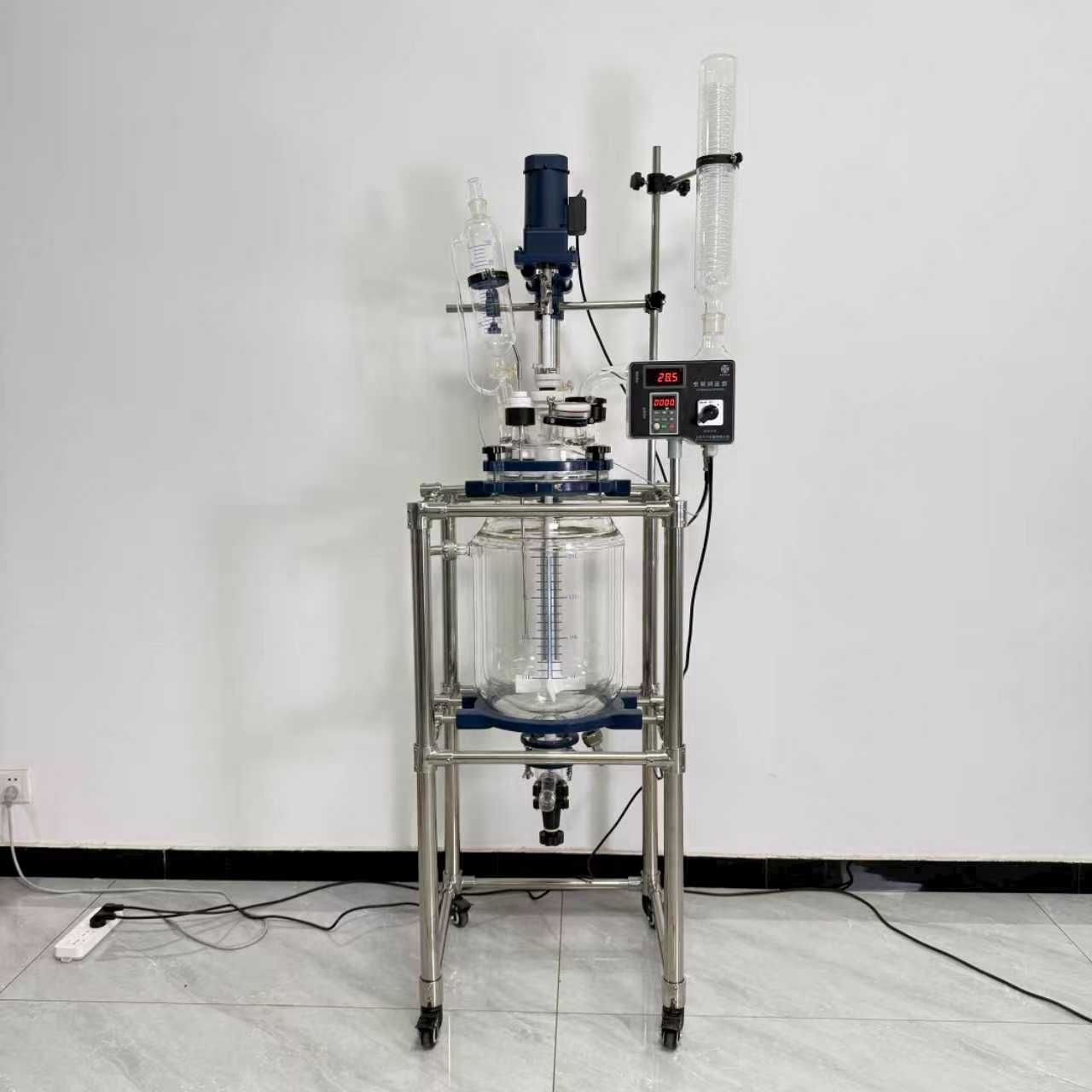
I. Structure of the Batch Reactor
Also known as an intermittent reactor or tank reactor, the basic structure of a batch reactor primarily consists of several major components: the reactor vessel, the stirring device, the heating/cooling system, the feed and discharge ports, the pressure and temperature control system, and safety accessories.
1. Reaction Vessel: Typically constructed from high-strength, corrosion-resistant metals (such as stainless steel), it is often cylindrical or conical in shape. The bottom is generally designed as flat or conical to facilitate material discharge and cleaning. The inner wall is frequently coated with an anti-corrosion layer to accommodate reactions involving various chemical media.
2. Agitation System: Agitation is crucial for achieving uniform mixing, accelerating mass transfer, and enhancing heat transfer within the reactor. Various agitator types exist, including paddle, anchor, and turbine designs. Selection depends on the reactants' properties, viscosity, and reaction process characteristics.
3. Heating/Cooling System: To control reaction temperature, batch reactors are typically equipped with jackets or internal coils that circulate heating or cooling media (e.g., water, steam, or thermal oil). Some large reactors utilize external heat exchangers for temperature regulation.
4. Feed and Discharge Ports: Used for adding reactants and discharging products, these ports are designed with operational convenience, sealing integrity, and leak prevention measures in mind.
5. Pressure and Temperature Control System: Ensures reactions proceed within safe limits, incorporating pressure gauges, thermometers, safety valves, and automated control systems.
6. Safety Accessories: Such as bursting discs and emergency shut-off valves, designed to prevent overpressure, overtemperature, and other abnormal conditions, safeguarding personnel and equipment.
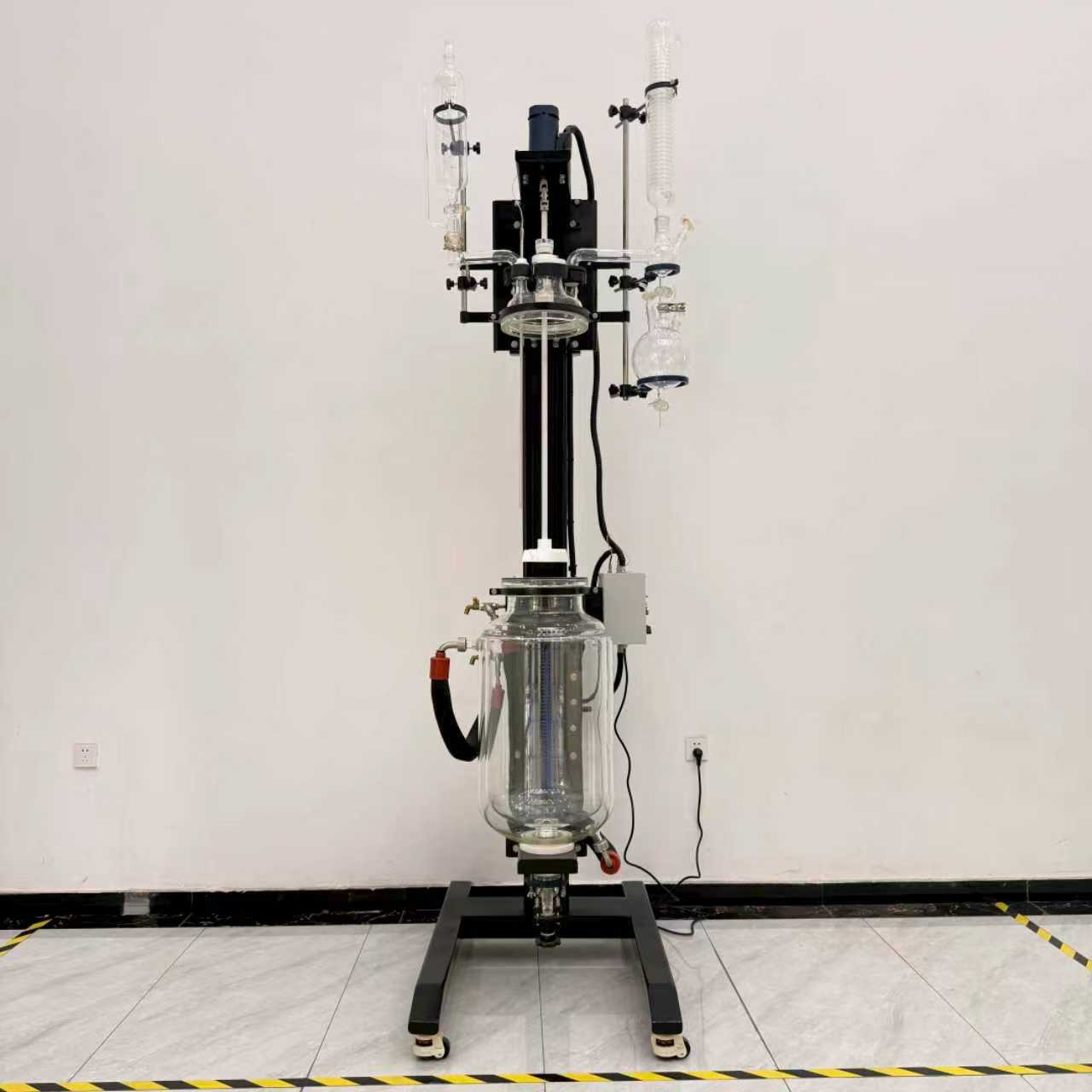
II. Characteristics of the Batch Reactor
1.High Adaptability: Suitable for diverse chemical reaction types, including liquid-liquid, gas-liquid, and solid-liquid systems. Easily adjusts operating conditions (temperature, pressure, stirring speed) to meet varied process requirements.
2. Operational Flexibility: Batch operation provides high flexibility for changing reaction materials and adjusting process parameters, making it suitable for small-batch, multi-product manufacturing.
3. Controllability: Precise control of temperature, pressure, and agitation effectively manages the reaction process, enhancing product quality and yield.
4. Scalability: While primarily used in laboratories or small-scale production, batch reactors can be scaled up to industrial production levels through proper design, maintaining consistent process performance.
5. Safety Considerations: Given the high-temperature, high-pressure, and flammable/explosive nature of chemical reactions, batch reactors incorporate comprehensive safety features—including explosion-proof designs and emergency shutdown systems—to ensure operational safety.
In summary, batch reactors hold a significant position in the chemical industry due to their flexible operation, broad adaptability, and stringent safety design. With technological advancements and process innovations, future batch reactors will become more intelligent and efficient, delivering more reliable and environmentally friendly solutions for chemical production.
