Laboratory glass reactors are commonly used experimental equipment in fields such as chemistry, biology, and pharmaceuticals, where their cleanliness significantly impacts experimental outcomes. To ensure the accuracy of results and the long-term service life of the reactors, thorough periodic cleaning is essential. This article details several professional methods for cleaning laboratory glass reactors, including physical and chemical cleaning techniques, along with practical cleaning steps and precautions.
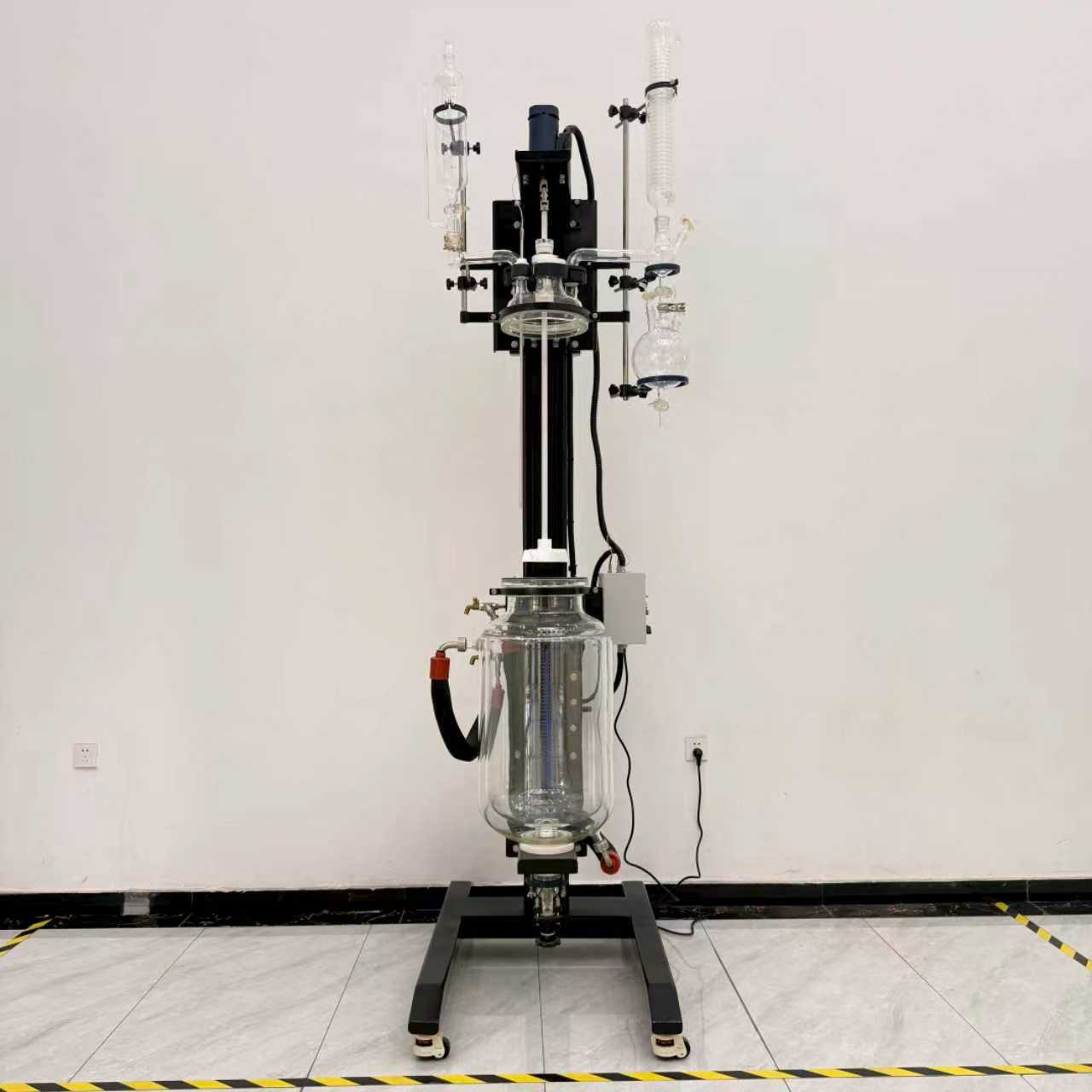
I. Physical Cleaning Methods
Physical cleaning primarily relies on mechanical force to remove contaminants and is suitable for loosely adhering residues. Common physical cleaning methods include flushing and scrubbing.
1. Flushing Method: Utilize a high-pressure water gun or cleaning nozzle to flush the inner walls and components like stirrers with a high-pressure water stream, dislodging surface contaminants. This widely used method is straightforward to operate, but requires careful control of pressure and direction to prevent scratches or damage to the glass surface. Flushing effectiveness varies with contaminant composition and duration, potentially failing to remove stubborn residues completely.
2. Brushing Method: Employ soft-bristle brushes, sponges, or similar tools to scrub away contaminants from the inner walls and agitators. Scrub gently to prevent scratches or damage to the glass surface. Follow the grain of the glass surface for optimal cleaning results. For hard-to-reach areas, utilize long-handled brushes or specially shaped brushes.
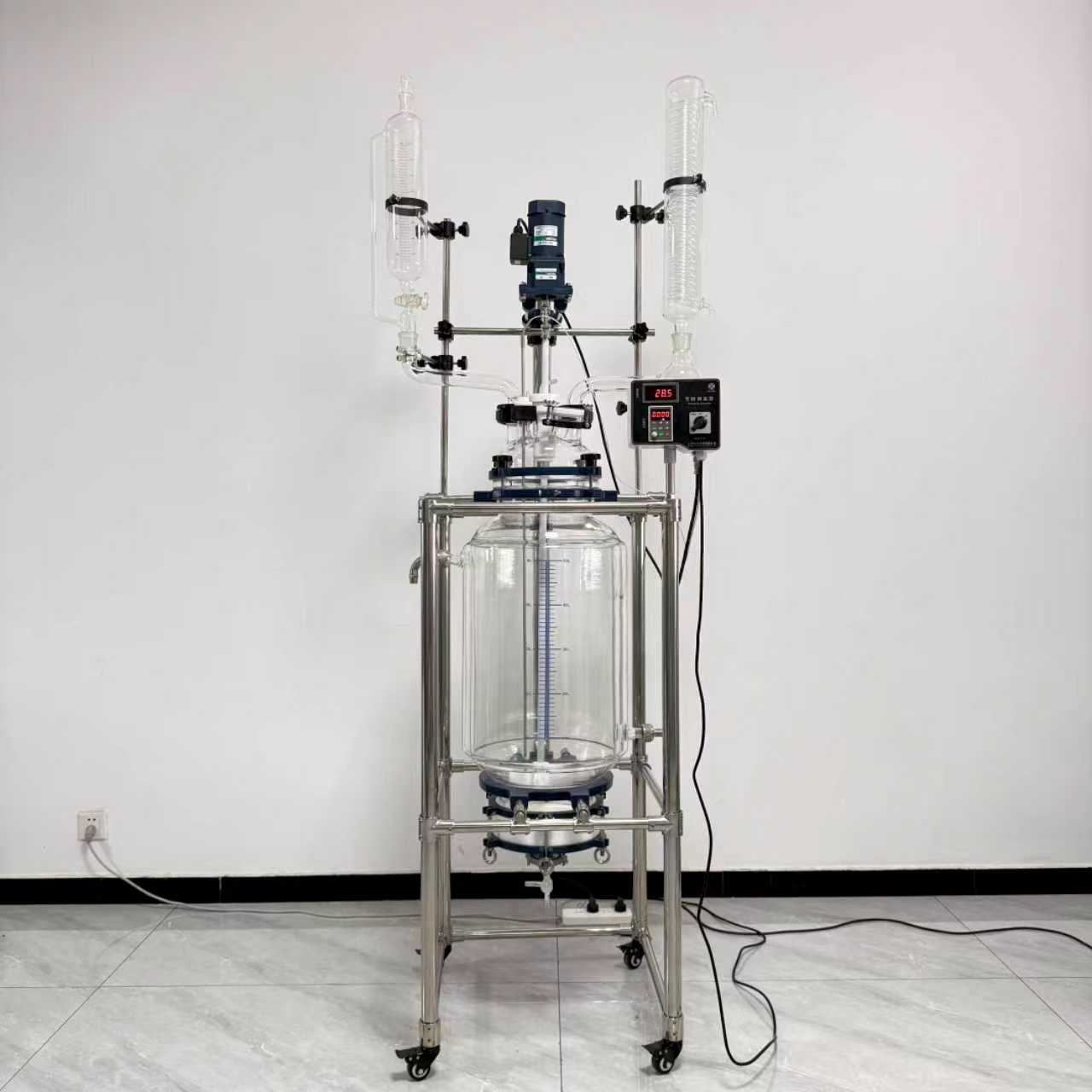
II. Chemical Cleaning Methods
Chemical cleaning achieves purification by reacting solvents with contaminants to dissolve or decompose them. This method is effective for removing stubborn deposits and organic pollutants.
1. Sample Analysis: Prior to cleaning, collect samples of the contaminants within the equipment for analysis to determine their composition and properties, enabling selection of appropriate cleaning agents.
2. Selecting Cleaning Agents: Choose appropriate cleaning agents based on the composition and properties of the contamination. Common agents include deionized water, organic solvents, and acid/alkali solutions. Selection should prioritize safety, environmental friendliness, and cost-effectiveness. Specialized or blended agents may be required for certain unique contaminants.
3. Preparing the Solution: Mix the cleaning agent with water in specified proportions to create the cleaning solution. Carefully control the cleaning agent concentration and temperature to ensure cleaning effectiveness and equipment safety.
4. Soak and Agitate: Pour the cleaning solution into the glass reactor, add an appropriate amount of deionized water, then gently agitate or use a rubber ball to rinse, ensuring thorough contact and reaction between the cleaning agent and contaminants. Soak time should be determined based on the severity of contamination and the type of cleaning agent.
5. Cleaning and Rinsing: After the cleaning agent reacts with the residue for a period, rinse the inner walls of the glass reactor and components like the stirrer with deionized water to remove all cleaning agent and residue. During rinsing, pay attention to the direction and force of the water flow to avoid secondary contamination of the glass surface.
III. Cleaning Steps and Precautions
1. Inspection and Preparation: Before cleaning, inspect whether the glass reactor is in normal working condition to ensure equipment safety. Simultaneously, prepare cleaning agents, water, and tools such as cleaning brushes, gloves, and safety goggles.
2. Preliminary Cleaning: Remove residual materials from the inner walls of the glass reactor and components like the stirrer to ensure a smooth cleaning process.
3. Safety Protection: During cleaning, operators must wear protective gear including safety goggles and gloves to prevent skin and eye damage from cleaning agents. Ensure the cleaning area is well-ventilated to prevent harm from cleaning agent fumes.
4. Select Appropriate Cleaning Methods: Choose cleaning methods based on the composition and nature of the contamination. Use flushing for loose deposits; apply chemical cleaning for stubborn residues and organic contaminants.
5. Drying procedure: After cleaning, place the glass reactor in a well-ventilated, dry location to air-dry naturally. For accelerated drying, use nitrogen blowing or a drying oven. Avoid high-temperature drying to prevent damage to the glass surface.
6. Regular Inspection and Maintenance: After prolonged use, conduct periodic inspections and maintenance to ensure proper operation and extend service life. Inspections should cover scratches or damage on the glass surface, as well as wear on components like stirrers and seals.
