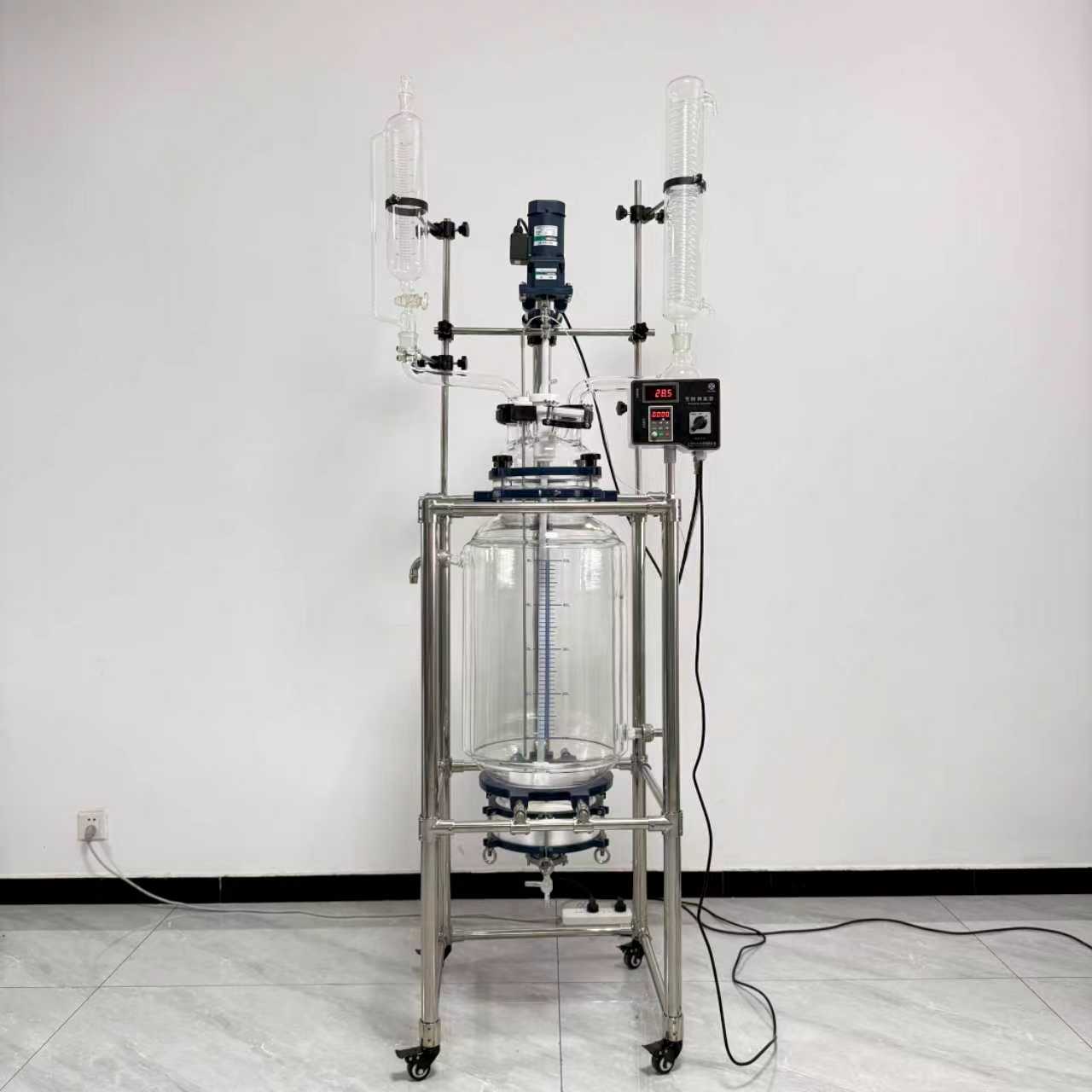
Double-walled glass reactors are widely used equipment in laboratories and the chemical industry, and their procurement costs are critical to a company's financial health and operational efficiency. By implementing a series of strategies, businesses can significantly reduce the procurement costs of double-walled glass reactors while ensuring the quality and performance of the equipment. Below are some effective strategies:
1. Select high-quality yet economical accessory brands
Components such as flanges, stirring motors, constant-pressure funnels, coolers, discharge valves, and sealing rings significantly impact the overall performance and lifespan of double-layer glass reactors. When selecting these components, prioritize high-quality yet economical brands over pursuing the most premium products. Collaborating with reliable suppliers enables access to cost-effective components, thereby reducing procurement expenses.
2. Standardize Design
Standardization is an effective method for lowering procurement costs. By minimizing specialized processes and utilizing standard and universal components, equipment interchangeability and versatility are enhanced. Designers should embrace standardized design principles, prioritizing standard and universal parts in product, accessory, and material selection. This approach not only reduces procurement costs but also improves production efficiency and equipment maintainability.
3. Timing Procurement
Material prices fluctuate with seasonal variations and market supply-demand dynamics. Procurement personnel should closely monitor market dynamics, identify pricing patterns, and select optimal procurement windows. For instance, bulk purchasing during market lows can significantly reduce costs. Additionally, strategic procurement planning prevents forced acceptance of high prices due to urgent needs.
4. Competitive Bidding
For bulk material procurement, companies should employ competitive bidding. By comparing supplier quotes, more favorable pricing can be secured. Furthermore, for identical materials, sourcing from multiple suppliers creates mutual pressure, strengthening the negotiating position.
5. Direct Manufacturer Sourcing
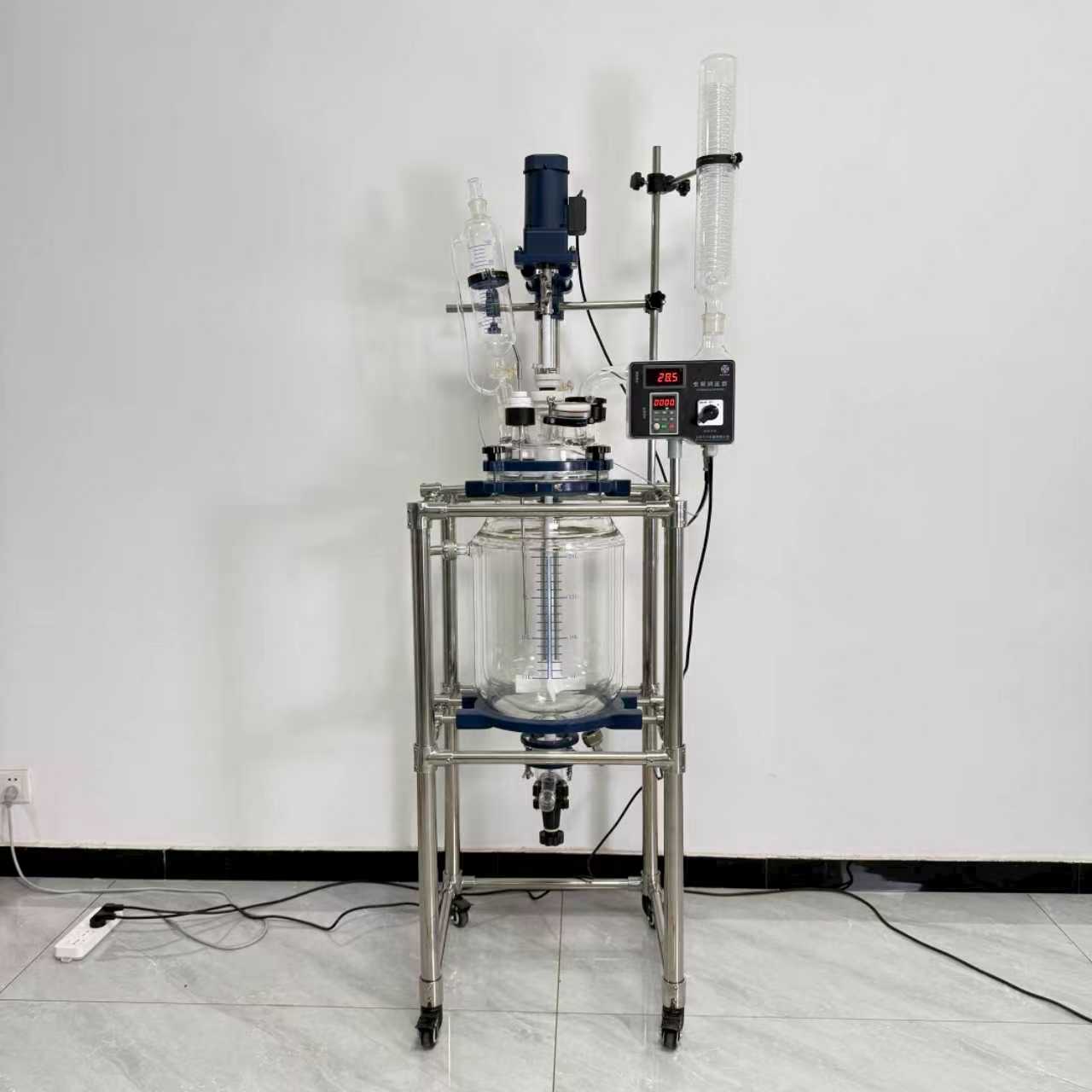
Purchasing directly from manufacturers eliminates intermediaries, reducing procurement costs. Manufacturers typically offer superior technical support and after-sales service. Eligible enterprises may form alliances with manufacturers for joint ordering, overcoming the limitation of small individual order volumes that preclude significant discounts.
6. Develop and Manage Suppliers
Companies should dynamically develop and manage suppliers, continuously introducing new competitive forces. When selecting suppliers, comprehensively evaluate factors such as hardware facilities, technical capabilities, and environmental standards. Through preliminary screening and formal bidding, choose suppliers offering reasonable quotes and reliable quality. Furthermore, establishing long-term cooperative relationships with suppliers to jointly explore cost-reduction avenues is an effective means of lowering procurement costs.
7. Utilizing Payment Terms to Reduce Procurement Costs
If a company has ample funds or favorable bank interest rates, cash transactions can be employed to secure greater price discounts. Furthermore, strategically selecting payment currencies and leveraging exchange rate trends can also lower equipment costs.
8. Focusing on Equipment Functionality and Applicability
When procuring double-layer glass reactors, prioritize functionality and applicability based on actual needs and budget constraints. Rather than pursuing the most expensive or cutting-edge technology, prioritize cost-effective equipment that meets production or experimental requirements.
In summary, by selecting high-quality yet economical accessory brands, adopting standardized designs, timing purchases strategically, conducting competitive bidding, sourcing directly from manufacturers, developing and managing suppliers, leveraging payment terms to reduce procurement costs, and focusing on equipment functionality and applicability, enterprises can significantly lower double-layer glass reactor procurement costs while ensuring quality and performance. Implementing these strategies requires cross-departmental collaboration and a spirit of continuous improvement to achieve comprehensive procurement cost control.
This article references AI-generated content.
