The customization process for glass reactors involves multiple aspects to ensure the final product meets specific experimental or production requirements. Below are some recommendations for customizing glass reactors:
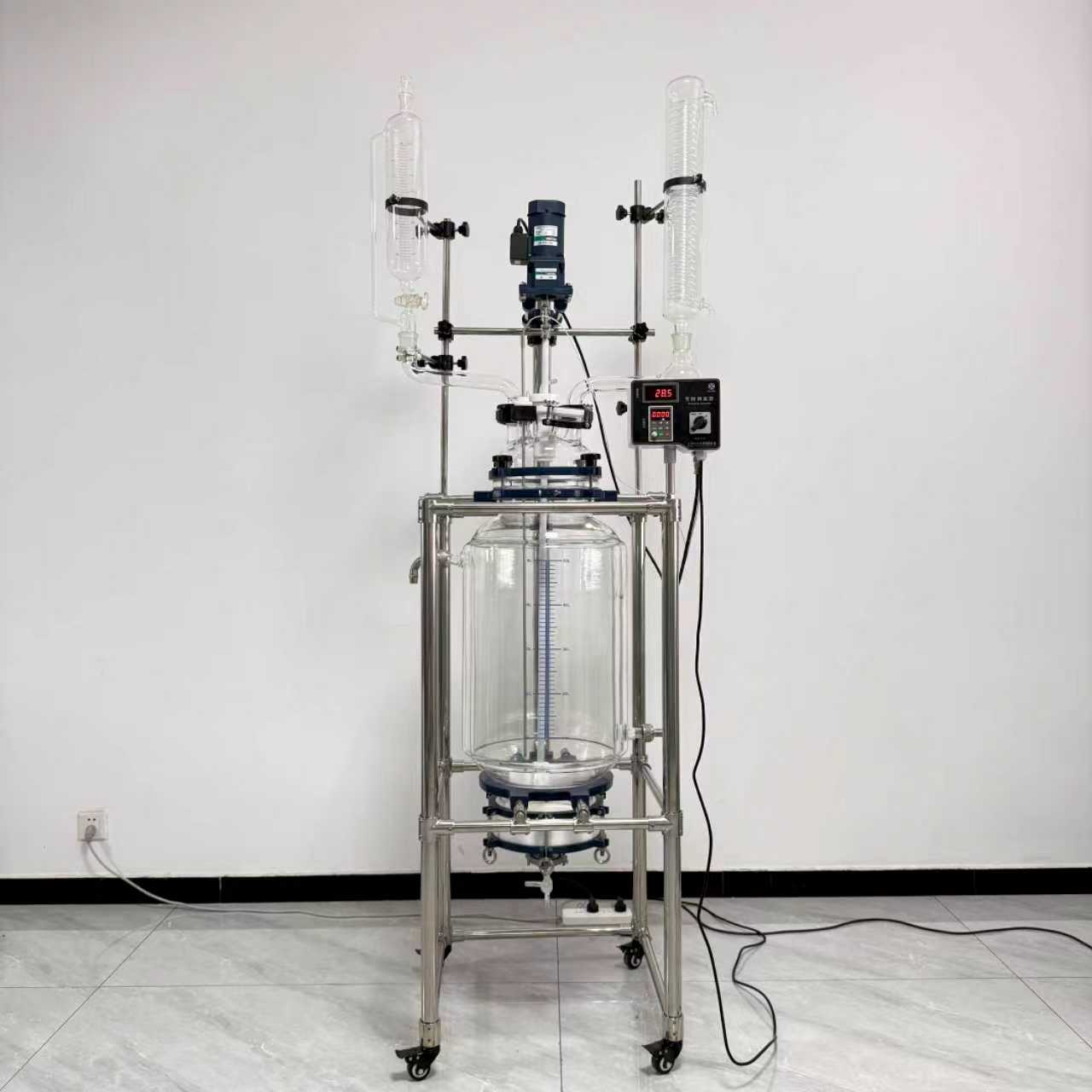
I. Define Requirements
1. Reaction Type: Identify the type of chemical reaction to be conducted, along with the required temperature and pressure conditions.
2. Material Properties: Understand the chemical characteristics of the reactants, such as whether they are corrosive, flammable, or explosive, to select suitable materials.
3. Capacity and Dimensions: Determine the required reactor capacity based on the scale of the experiment or production. Also consider the spatial layout of the laboratory or production facility and equipment installation requirements.
II. Select Materials
1. Glass Material: Double-walled glass reactors typically use borosilicate glass, offering excellent heat resistance, cold resistance, corrosion resistance, and pressure resistance. Ensure the quality and thickness of the glass to guarantee the equipment's durability and safety.
2. Interlayer Material: The interlayer must possess good corrosion resistance and thermal stability to ensure the equipment's performance remains unaffected by temperature changes during the reaction process.
III. Determining Functionality
1. Temperature Control: Verify the temperature range of the glass reactor to ensure it meets experimental or production requirements. Some models can achieve higher or lower temperatures; select based on actual needs.
2. Pressure Control: Pressure ranges typically span from atmospheric pressure to several megapascals (MPa). Choose according to experimental or production pressure specifications.
3. Agitation Method: Different agitation methods suit varying experimental or production needs. Select the appropriate method based on requirements, considering the agitator's quality, durability, and control over speed and intensity.
IV. Safety and Maintenance Considerations
1. Safety Protections: Verify the equipment incorporates comprehensive safety measures, such as explosion-proof and leak-proof features.
2. Operation and Maintenance: Evaluate the safety and convenience of the equipment during operation and maintenance. Select devices that are easy to operate and maintain to reduce usage costs.
V. Selecting Manufacturers and Brands
1. Manufacturer Capabilities: Partner with manufacturers possessing production qualifications, technical expertise, and extensive experience.
2. After-Sales Service: Understand the manufacturer's after-sales service policy to ensure timely access to professional technical support and service when issues arise during use.
3. Price and Budget: Fully consider the equipment price while ensuring it meets experimental or production requirements. Prices for double-layer glass reactors vary significantly across brands and models; select based on your budget.
VI. Contract Signing and Acceptance
1. Contract Signing: Sign a detailed contract with the manufacturer specifying equipment specifications, quantity, price, delivery schedule, after-sales service terms, and other conditions.
2. Equipment Acceptance: Conduct rigorous acceptance upon delivery. Inspect the equipment's appearance and performance to ensure compliance with contract requirements and verify operational functionality.
In summary, customizing a glass reactor involves multiple steps: defining requirements, selecting materials, determining functions, considering safety and maintenance, choosing manufacturers and brands, and executing contracts and acceptance. Through meticulous planning and selection, the customized glass reactor can reliably meet specific experimental or production needs.
This article is AI-generated.
