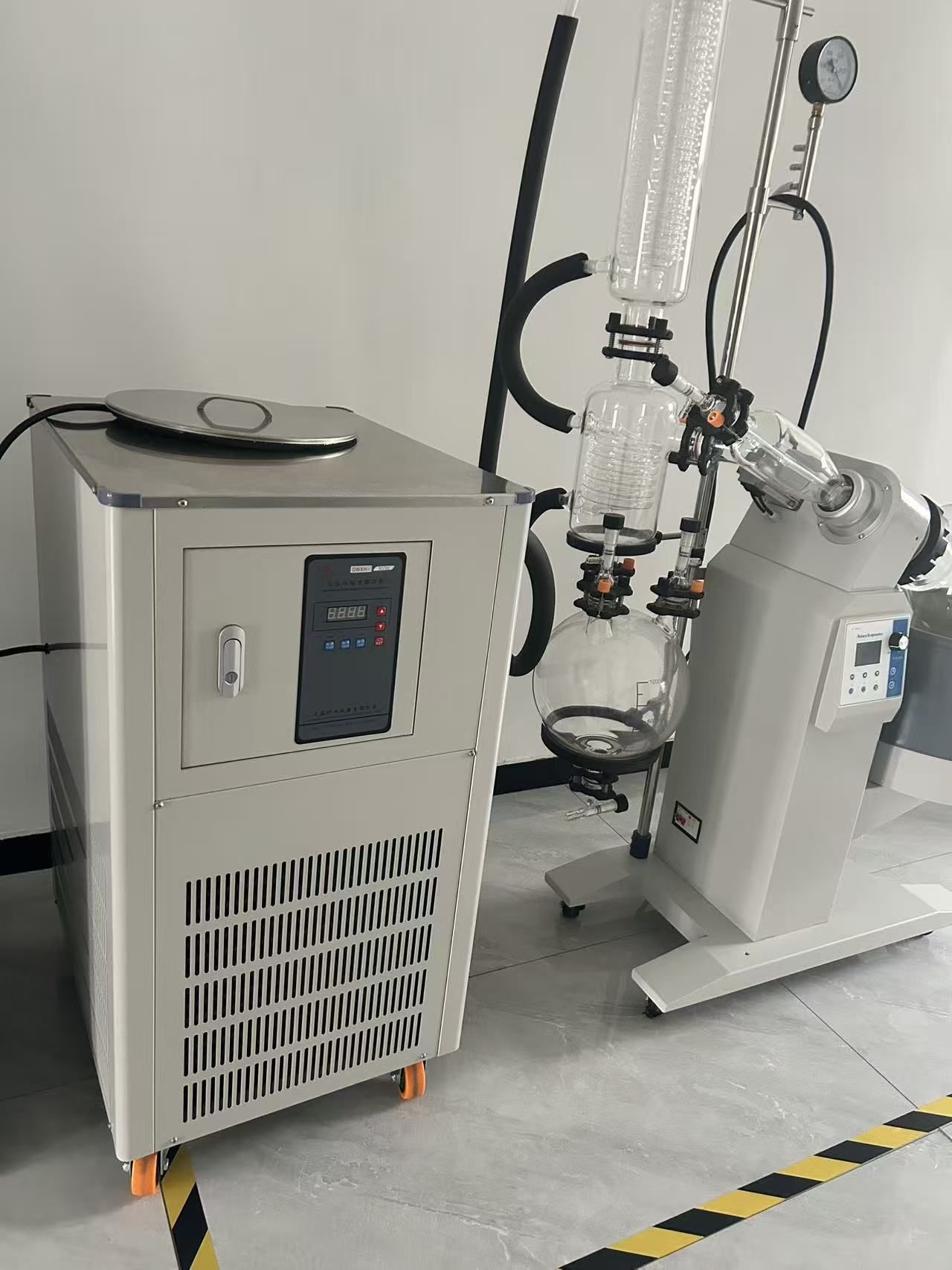
Low-temperature coolant circulation pumps are critical equipment used to circulate cryogenic coolants (such as liquid nitrogen or liquid argon) within cooling systems, ensuring devices or systems maintain the required low-temperature state. To guarantee long-term stable operation, routine maintenance is essential. Below are key daily maintenance practices:
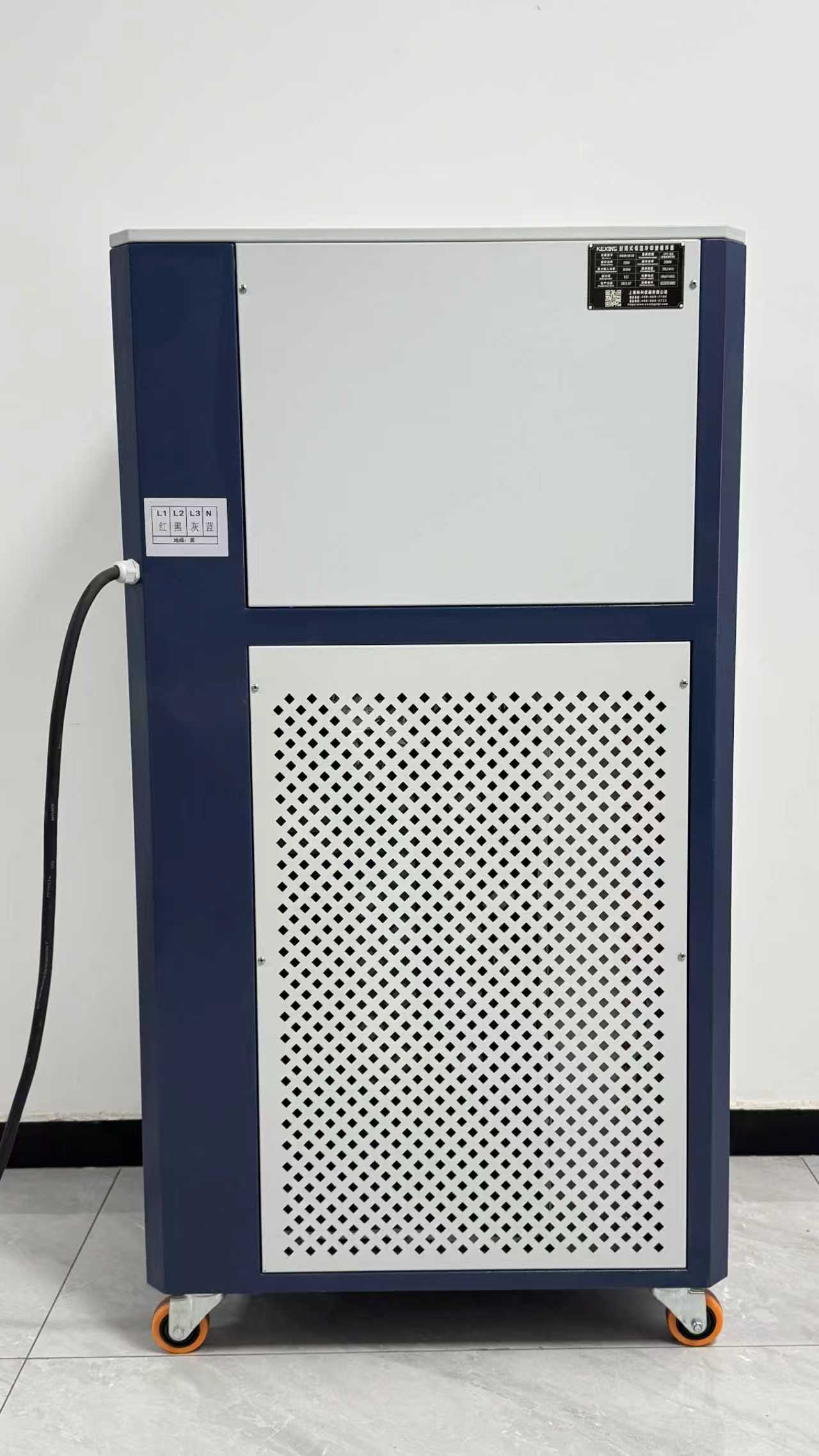
I. Regular Inspections
1. Visual Inspection: Weekly cleaning of the pump's exterior and surrounding equipment room environment is required. Ensure no debris or dust accumulates on the pump body or pipe connections. Simultaneously, inspect the pump's exterior for signs of damage or leakage.
2. Seal Inspection: Regularly inspect the pump's seals, such as O-rings and flange gaskets, to ensure they remain intact and prevent coolant leakage.
3. Pipe Connection Inspection: Verify all pipe connections are secure to prevent leaks caused by loosening.
II. Cleaning Procedures
1. Pump Housing Cleaning: Regularly remove debris and deposits from both the interior and exterior of the pump housing, particularly from the filter and cooling fins, to prevent clogging and reduced heat exchange efficiency.
2. Motor and Pump Housing Cleaning: Clean the motor and pump housing monthly to ensure surfaces are free of dust and oil residue.
III. Lubrication and Maintenance
1. Lubrication: Lubricate the pump regularly according to the manufacturer's recommendations. This may include adding or replacing lubricants, inspecting bearing and seal wear, and performing necessary adjustments or replacements.
2. Bearing Inspection: Daily check the oil level in the bearing housing to ensure it is appropriate; the oil level line should not exceed the specified value. Simultaneously, frequently monitor bearing temperature to ensure it does not exceed the specified limit.
IV. Temperature and Pressure Monitoring
1. Temperature Control: Monitor and control the operating temperature of the low-temperature coolant circulation pump to ensure it operates within the specified temperature range. Excessive temperatures may cause equipment failure or damage.
2. Pressure Monitoring: Regularly verify pressure gauge readings are normal, ensuring the pump operates within permissible pressure limits.
V. Electrical Safety
1. Power Supply Inspection: Confirm the equipment uses 220V, 50Hz power supply with capacity exceeding the instrument's total power consumption. The power source must have proper grounding to ensure safe operation.
2. Switch Status: After use, turn all switches to the off position and disconnect the power supply.
VI. Operational Condition Monitoring
1. Vibration and Noise: Regularly inspect equipment operation for abnormal vibrations, leaks, or other irregularities. Immediately shut down and investigate upon detecting unusual vibrations or noise.
2. Leak Inspection: Periodically check the cryogenic coolant circulation pump for leaks. Replace severely worn components promptly.
VII. Frost Protection and Venting
1. Freeze Protection: Since the cryogenic coolant circulation pump operates in low-temperature environments, implement winter freeze protection measures to prevent ice formation in the pump body and piping. For equipment idle for extended periods, completely drain the liquid medium from the pump before restarting to prevent pump body freeze cracking.
2. Air Bleeding: When starting the cryogenic coolant circulation pump, ensure no air remains in the pump body or piping to prevent cavitation from affecting pump performance.
VIII. Regular Replacement and Maintenance
1. Temperature Medium Replacement: Periodically inspect and replace the temperature medium, monitoring its condition and quantity to prevent performance degradation due to contamination by foreign substances or natural evaporation.
2. Lubricant Replacement: Replace the lubricant after 800 hours of continuous operation, then every six months thereafter.
In summary, routine maintenance for cryogenic coolant circulation pumps encompasses multiple aspects: periodic inspections, cleaning procedures, lubrication and upkeep, temperature and pressure monitoring, electrical safety, operational condition surveillance, freeze protection and air purging, along with scheduled replacements and maintenance. Adherence to these maintenance practices ensures long-term stable operation of the cryogenic coolant circulation pump, extends its service life, and provides a reliable supply of cryogenic coolant to the cooling system.
